What is sargassum?
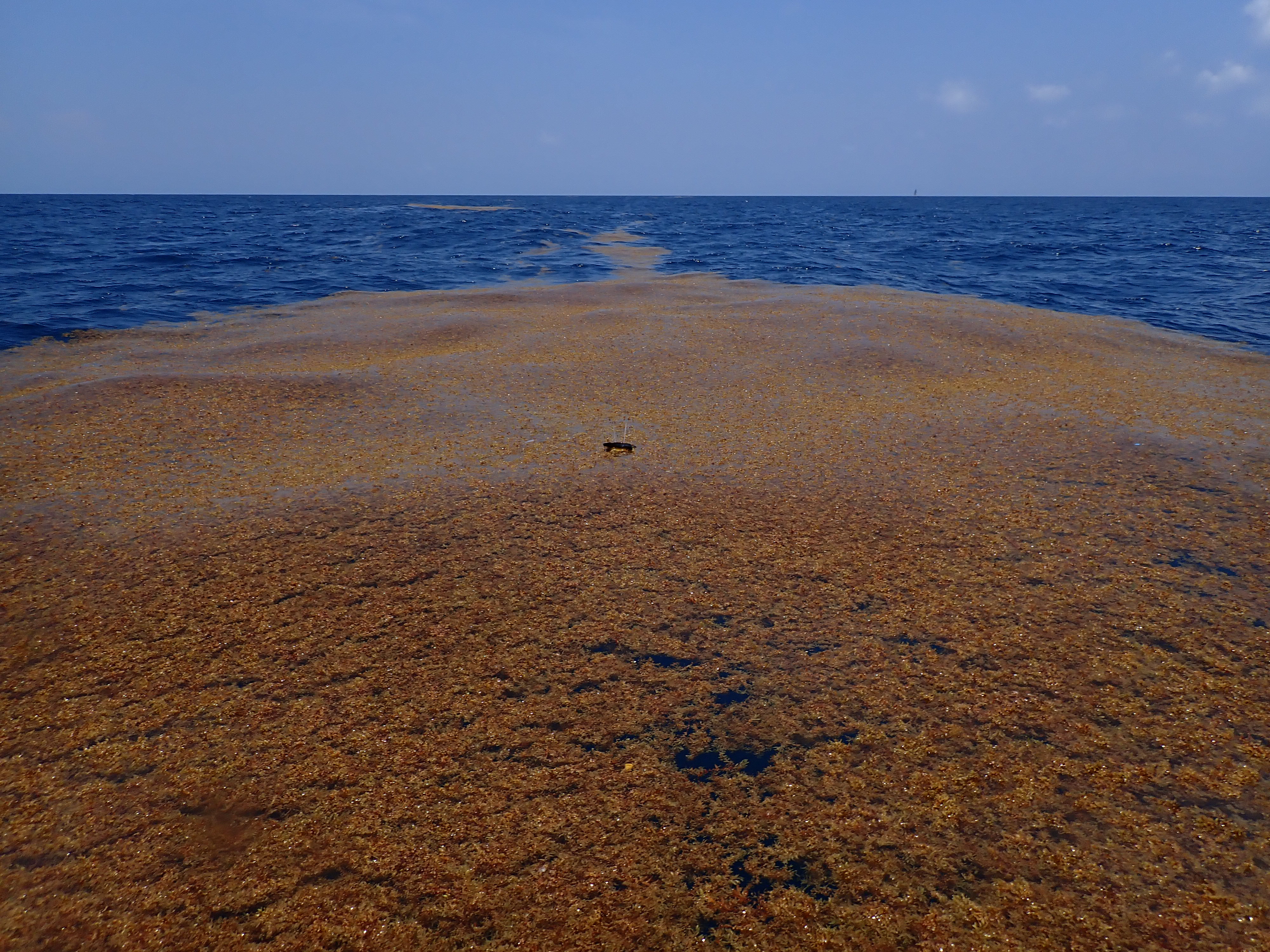
Since 2011, the coasts of Caribbean countries and West Africa have received massive arrivals of pelagic sargassum that have impacted the environment, tourism, fisheries and human health. Sargassum is the common name for 361 species of marine brown macroalgae (Sargassum). Two of these species, S. natans and S. fluitans, spend their entire lives floating at sea.
Historically, their distribution was centered in the Sargasso Sea in the North Atlantic, although occasionally some sargassum masses would break away and be transported by ocean currents and wind to the shores of islands in the northeastern Caribbean and the eastern Yucatan Peninsula. Starting in 2011, an atypical massive arrival was recorded in the eastern Caribbean islands and along the west coast of Africa, and by late 2014 throughout the rest of the Caribbean, including the beaches of Mexico.

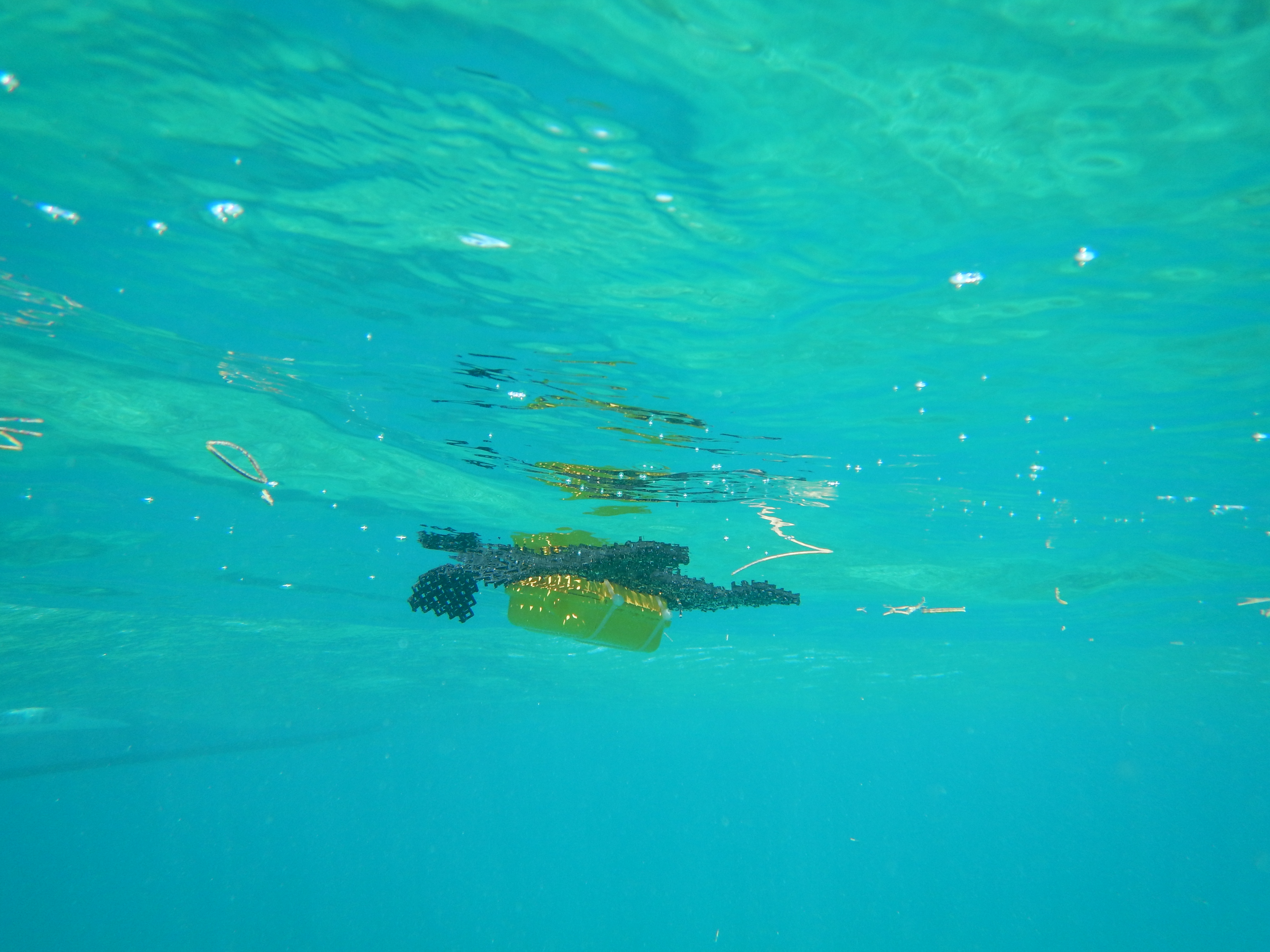
UASA and research
The Academic Unit of Reef Systems (UASA) collaborates by conducting research to understand the causes and consequences of the massive sargassum arrival phenomenon. This information is necessary for adequate management and to reduce the environmental, socio-economic and human health impacts.
Since 2015, several research projects and theses have been developed on these topics, and their main results can be found in scientific publications. UASA also participates in outreach activities on the subject through articles, radio programs, interviews and talks. Collaboration with other national and international research centers has been essential to advance knowledge on this phenomenon while maximizing resources.